Beyond the Logo: The Science of Emotional Branding and Customer Loyalty
People don’t buy what you do; they buy why you do it. While performance marketing gets the product in front of the eyes, Brand Psychology ensures it stays in the heart. If you compete only on price or features, you are in a “race to the bottom” where someone will always be cheaper.
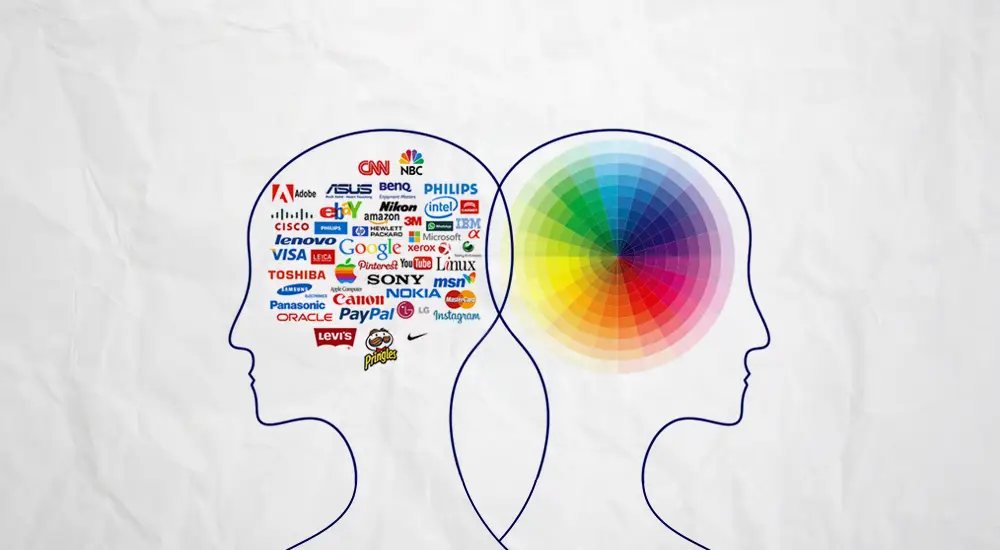
“In a crowded market, your ‘Logic’ gets you considered, but your ‘Emotion’ gets you the contract.”
Why Emotional Branding Matters in Modern Marketing
Modern consumers are overloaded with ads every single day. They scroll through hundreds of products, offers, and promotions online. In such a crowded market, logic alone is not enough to stand out.
Your product features may get attention, but emotions create loyalty.
Brands that focus on emotional branding create stronger customer relationships because they make customers feel understood. Whether it is trust, excitement, confidence, or belonging, emotions influence buying decisions more than facts.
Research in consumer psychology shows that emotional decisions happen faster and create stronger memory connections than logical decisions.
That means customers may forget specifications and pricing, but they remember how your brand made them feel.
The Difference Between Performance Marketing and Brand Psychology
Performance marketing focuses on immediate results, such as:
- Clicks
- Leads
- Conversions
- Sales
While these are important, they usually work for short-term growth.
Brand psychology focuses on long-term customer trust and loyalty. It builds:
- Brand recognition
- Emotional connection
- Customer retention
- Community trust
- Brand authority
The strongest businesses combine both strategies.
Performance marketing brings customers to your brand.
Emotional branding gives them a reason to stay.
3 Powerful Psychological Triggers Behind Customer Loyalty
To build a powerful and memorable brand, businesses must understand how human psychology works. Here are three proven emotional branding principles that help brands create long-term loyalty.
To build an unshakeable brand, you must master these three psychological triggers:
The Principle of Reciprocity
One of the most powerful psychological triggers in marketing is reciprocity.
Simply put:
When you give value first, people naturally feel connected to your brand.
This does not mean giving random discounts all the time. It means genuinely helping your audience before asking them to buy.
You can do this by sharing:
- Educational blogs
- Free guides
- Helpful videos
- Expert insights
- Industry tips
- Valuable social media content
When customers repeatedly gain value from your content, they begin to trust your expertise.
Over time, your brand becomes the first choice when they are ready to purchase.
This is why content marketing and SEO are so important for long-term business growth.
Brands that consistently educate their audience build authority faster than brands that only sell.
Example:
A digital marketing company that regularly shares free SEO tips and growth strategies will naturally attract business owners looking for marketing services in the future.
Value creates trust.
Trust creates loyalty.
Loyalty creates sales.
The Scarcity & Urgency Paradox
People naturally value things that feel exclusive or limited.
This is called the scarcity principle in consumer psychology.
However, modern customers are smart. Fake countdown timers and false urgency tactics no longer work effectively.
Real brand scarcity comes from:
- Limited-access programs
- Exclusive memberships
- VIP communities
- Expert-only workshops
- Limited-edition products
- Early-access offers
When access feels exclusive, people perceive higher value.
This strategy works because humans do not want to miss opportunities that others may not get.
Example:
Instead of saying
“Offer ending in 2 hours!”
A stronger emotional branding approach would be:
“Only 20 businesses will be selected for our advanced growth mentorship program.”
This creates genuine exclusivity and stronger brand positioning.
The Tribe Mentality
Humans naturally want to belong to communities.
The best brands understand this deeply.
They do not just sell products or services.
They build tribes.
Strong communities make customers feel like insiders rather than buyers.
This is why successful brands use community-focused language such as:
- “Join the movement.”
- “Become part of our community.”
- “Growth-driven entrepreneurs”
- “Elite creators”
- “Founding members”
When customers emotionally identify with your brand community, they become loyal supporters and even brand ambassadors.
Example:
At Devkalp Technology, clients are not treated as simple customers. They become part of a growth-focused ecosystem where businesses scale together using smart digital strategies.
That emotional identity creates stronger customer retention than traditional advertising.
How Emotional Branding Increases Customer Loyalty
Customer loyalty is not built overnight.
It develops through repeated positive emotional experiences.
A strong emotional branding strategy helps businesses
- Increase repeat purchases
- Improve customer retention
- Build stronger referrals
- Create brand trust
- Reduce price sensitivity
- Increase long-term revenue
When customers emotionally trust your brand, they stop making decisions based only on pricing.
They stay because they believe in your mission and experience.
This is the real power of branding psychology.
Simple Ways to Build Emotional Connection With Customers
If you want to strengthen your brand identity and customer loyalty, start with these practical strategies:
Tell Real Stories
People connect with stories more than sales pitches. Share your journey, customer success stories, and real experiences.
Focus on Customer Experience
Every interaction matters. Fast support, helpful communication, and genuine care build emotional trust.
Use Human Language
Avoid robotic corporate messaging. Speak naturally and clearly so customers feel connected.
Stay Consistent
Your brand voice, visuals, and messaging should feel consistent across your website, social media, and ads.
Build Community
Encourage engagement through social media groups, webinars, events, and interactive content.
Emotional Branding Is the Future of Business Growth
In today’s crowded market, businesses that focus only on selling will struggle to stand out.
The brands that win are the ones that create emotional experiences.
Because at the end of the day:
Customers may forget advertisements, but they remember how your brand made them feel.
Your logic may get you considered.
But your emotion gets you chosen.
If you want long-term growth, stronger customer loyalty, and a memorable brand identity, it is time to move beyond logos and features.
Start building emotional connections.
Start building trust.
Start building a legacy.
Final Thoughts
Emotional branding is not just a marketing trend. It is a long-term business strategy that creates deeper customer relationships and sustainable growth.
Brands that understand human psychology outperform brands that rely only on promotions and pricing.
By using principles like reciprocity, scarcity, and tribe mentality, businesses can build stronger emotional connections that lead to customer loyalty and higher brand value.
If your business wants to scale with smart branding, SEO, and digital growth strategies, Devkalp Technology can help you create a strategy that delivers both visibility and trust.
Ready to Build a Brand People Remember?
Stop selling only features.
Start building emotional connections that create lifelong customers.